
Business acquisitions · Investment · Succession
A Good Business Deserves a Thoughtful Next Chapter.
You’ve built something that matters. What happens next matters too.
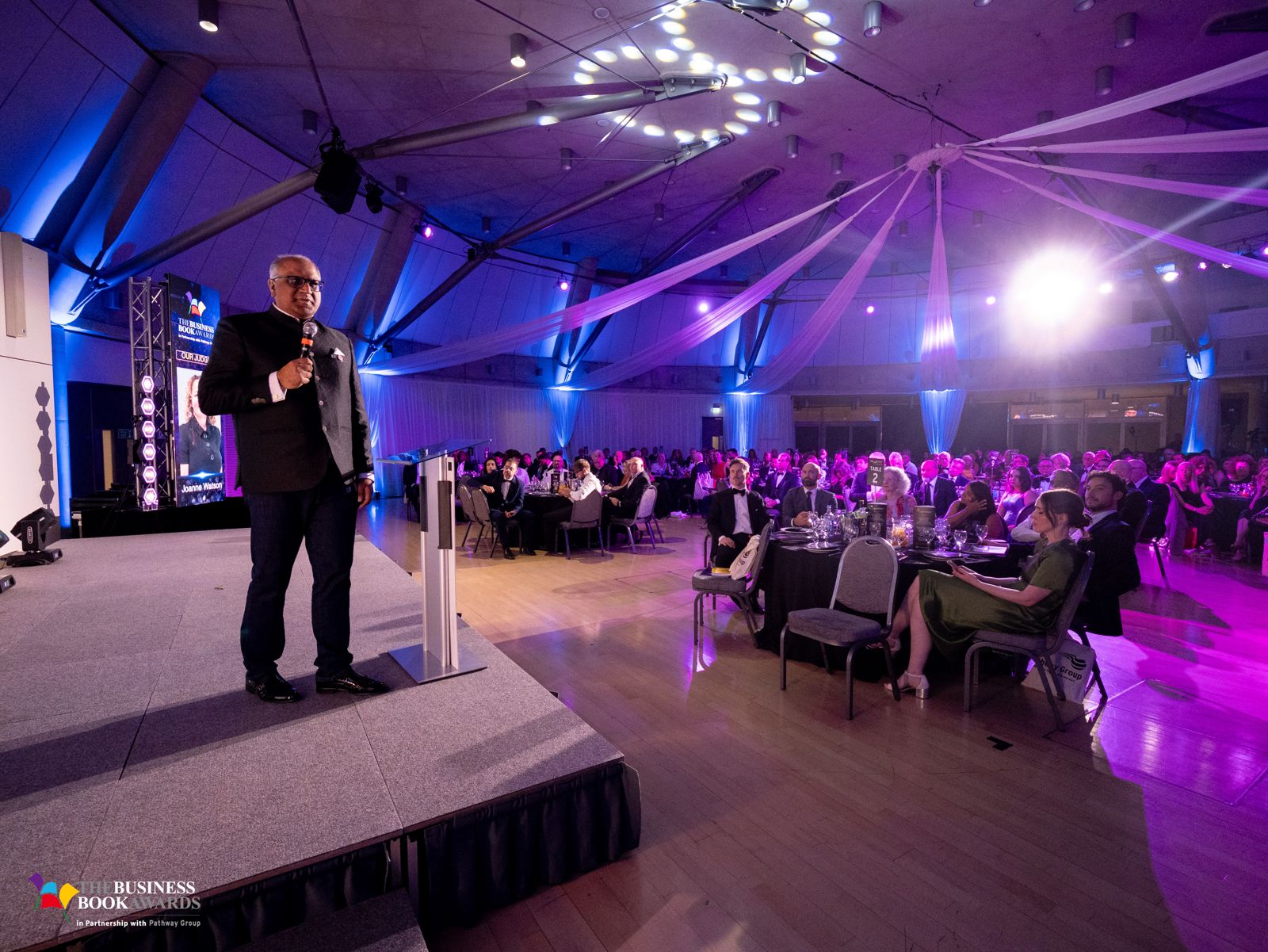
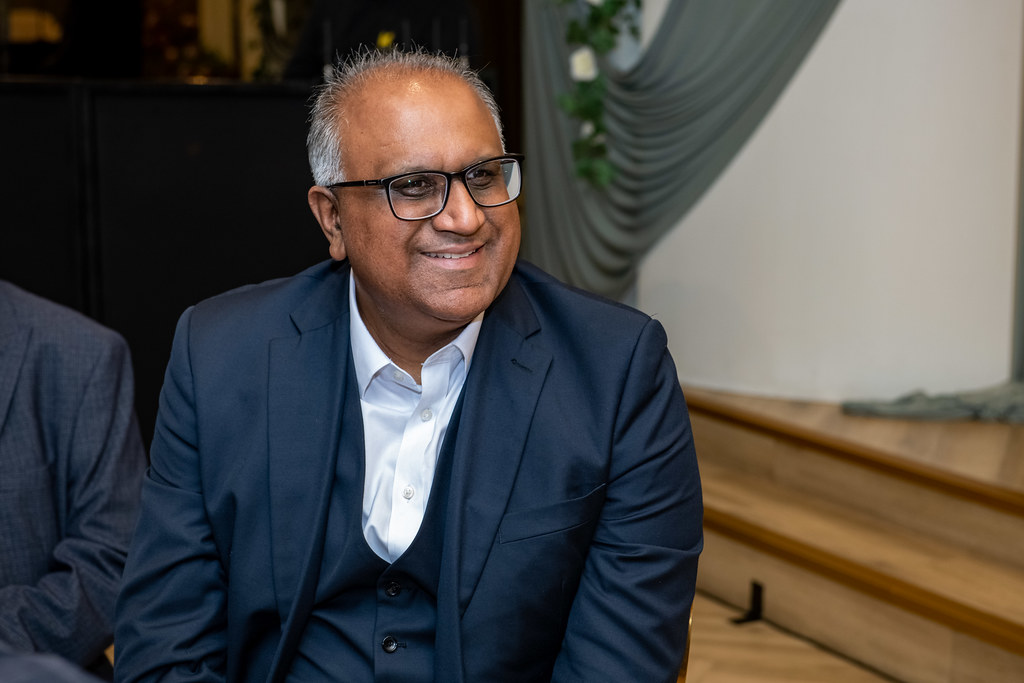
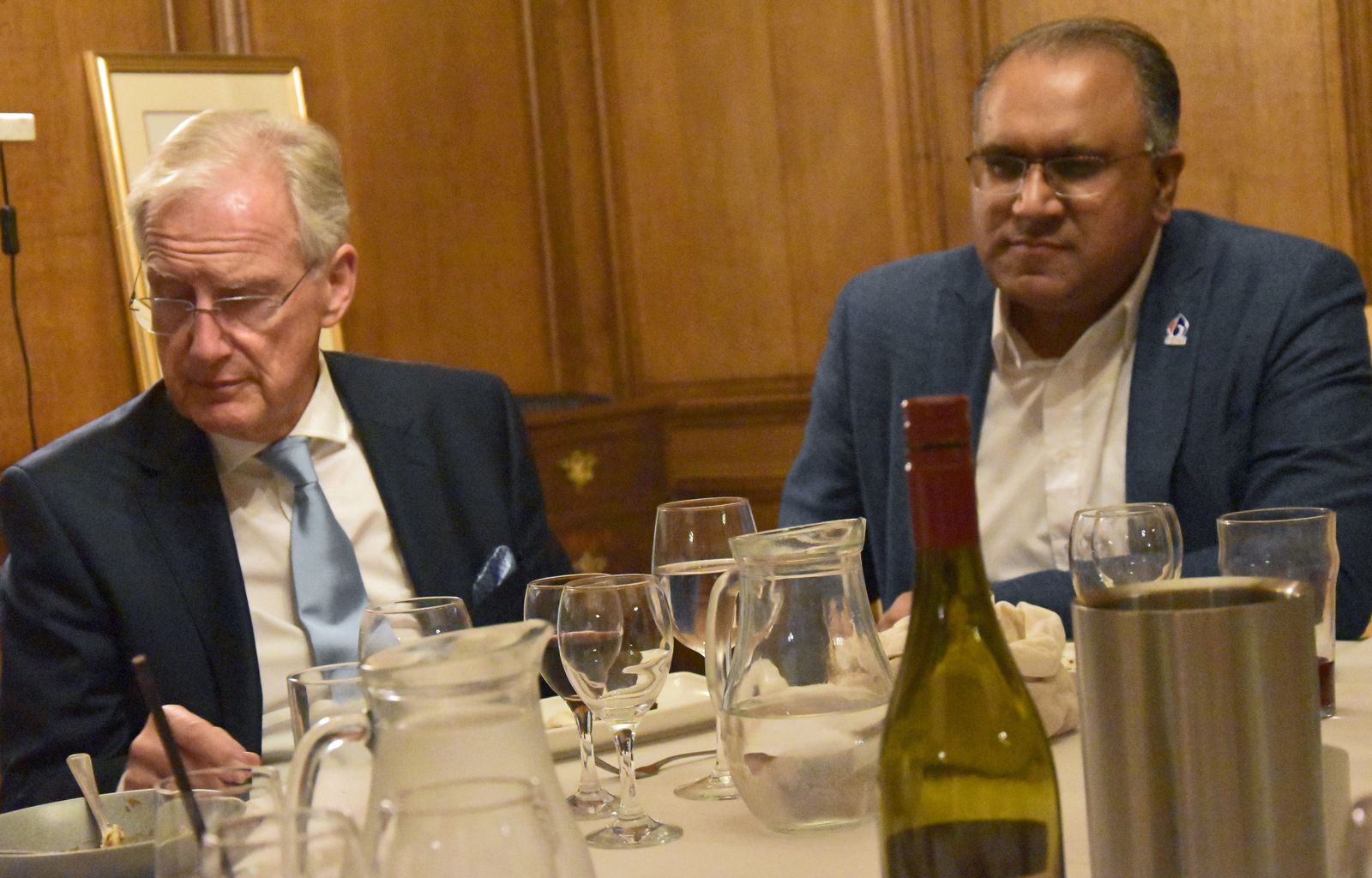
Also, I am Safaraz Ali MBE, an entrepreneur and business investor. I welcome conversations with founders who are thinking seriously about what comes next. Before talking about buying your business, I want to understand what you are trying to achieve.
Why this matters
Building a business takes more than an idea
In addition, it takes courage to begin, determination to continue and resilience when things do not go to plan. It takes difficult decisions, personal sacrifices, long-term relationships and the willingness to carry responsibility when there is nobody else to turn to.
If you have spent years building your business, you know that its value cannot be measured by a set of financial accounts alone. Similarly, it also exists in the people you have developed, the customers who trust you, the reputation you have earned and the opportunities you have created.
Now you may be thinking about a different chapter. Perhaps you are considering retirement. Equally, perhaps there is no obvious successor. You may want to release some of the value you have created, reduce your day-to-day responsibilities or find someone who can help take the business further. You may not even be certain that selling is the right decision.
Before talking about buying your business, I want to understand what you are trying to achieve.
A business is never just a business
Behind Every Business Is a Story Worth Understanding
When someone looks at a business from the outside, they often begin with the numbers: turnover, profit, assets, contracts, customers, growth. All of these matter. But they rarely explain the whole story.
Indeed, they do not show the years when you went without a salary, the difficult decisions you made during uncertain times or the personal relationships that helped your business survive. They do not explain the pride of seeing an employee develop into a leader or the responsibility of knowing that families depend on the jobs your business provides.
For many founders, and perhaps for you, the business becomes closely connected to your identity. Overall, it is not surprising that the decision to sell can feel emotional. You may feel ready to step back but reluctant to let go. You may want the best financial outcome while also wanting reassurance that your life’s work will be treated with respect.
Additionally, I believe those considerations belong in the conversation. A good acquisition process should recognise both the commercial value of your business and the human story behind it.
The question is not simply what your business is worth. It is also what you want its next chapter to become.
Choosing the right successor
The Highest Offer Is Not Always the Right Answer
When you begin thinking about selling, the headline price naturally attracts attention. Moreover, it should. You have taken risks, invested time and capital, and worked to create something valuable. A fair financial outcome matters.
But an attractive offer does not automatically make someone the right successor. Before committing to a sale, it is worth considering what the proposed buyer brings beyond the purchase price:
- Do they understand your sector?
- Do they appreciate what makes your business successful?
- Have they considered the people who will be responsible for running it?
- Can they explain how the business will be supported after completion?
- Are their expectations realistic?
- Are they people with whom you can have an honest conversation when circumstances become difficult?
These questions matter because the completion of a transaction is not the end of the story. Furthermore, for the business, it is the beginning of another chapter.
Understanding the Whole Proposal
You should understand more than the headline valuation. The full proposal may involve:
- The amount and timing of consideration
- Any deferred payments or performance-related arrangements
- The future ownership and management structure
- Your continuing responsibilities, if any
- The treatment of property, working capital and liabilities
- The expectations placed on your management team
- The investment and support proposed for your business
- The practical arrangements for transition
Likewise, different structures carry different responsibilities and risks. My preference is to discuss these matters clearly and work towards arrangements that both parties understand.
Choosing a successor is not only about who can buy your business. It is about who can help it move forward responsibly.
My approach
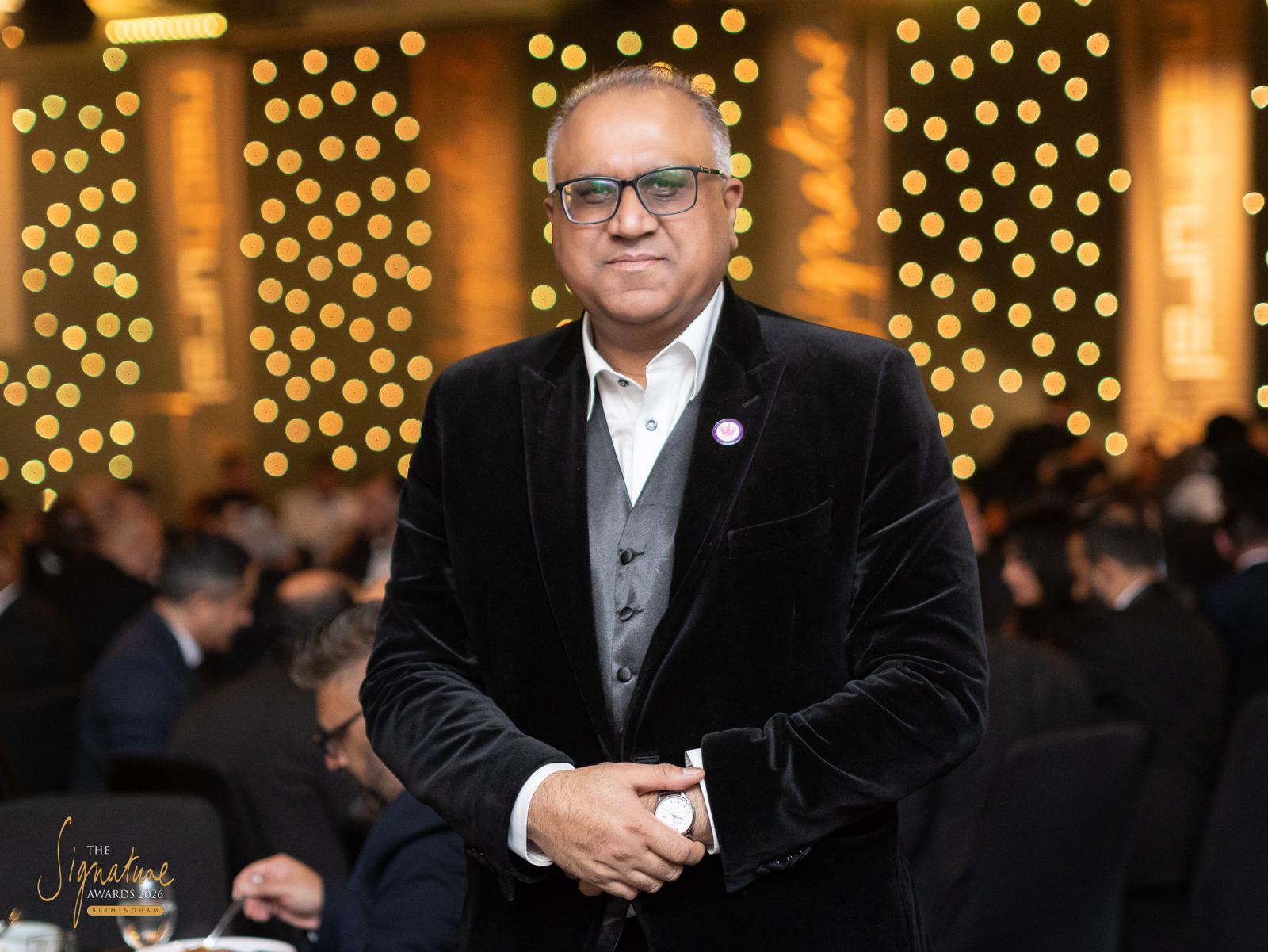
I Invest in Businesses, but I Back People.
I have long believed that capital is only one part of what a business needs. Money can create opportunities. It can help strengthen operations, improve systems, develop people and support growth. But money does not automatically create good leadership. Also, it does not replace judgement, accountability, trust or the ability to make difficult decisions.
That is why my approach is influenced by the idea of being an Invested Investor. For me, investment means considering what I can contribute through experience, time, relationships, perspective and practical involvement, alongside any financial investment. It means being interested in the reality of the business rather than simply its performance on paper.
What Does the Business Actually Need?
One business may have strong customer demand but need better management information. Another may have an excellent team but lack the resources for its next stage. In addition, a third may be commercially successful but depend too heavily on you. Some need investment, some need succession planning, others a stronger operational structure or a combination of capital, experience and capable leadership. The starting point is to understand the circumstances before deciding what a useful contribution might look like.
The People Behind the Opportunity
I value what I describe as conscious founders: individuals who understand their strengths and limitations, take responsibility, remain resilient through challenges and demonstrate integrity in the way they work. I also value entrepreneurial managers and operators who are ready to develop their capabilities and take greater responsibility. Commercial ambition matters. Character and accountability matter too.
Investment should be measured not only by what is put into a business, but by the contribution made to its future.
Trust
Good Partnerships Are Built Through Actions, Not Promises
Trust is one of the most important qualities in any business relationship. It is also one of the easiest words to use without explaining what it means. For me, trust is practical. Similarly, it develops when people do what they say they will do, when commitments are realistic, when difficult information is shared at the appropriate time, when responsibilities are understood, when people can disagree respectfully and when problems are addressed rather than avoided.
A business acquisition or partnership can involve significant financial, operational and personal decisions, which makes clarity particularly important:
- Who will contribute capital?
- Who will lead the business?
- What will you continue to do?
- How will major decisions be made?
- What happens if the business performs differently from expectations?
- How will disagreements be handled?
These are not questions to avoid because they feel uncomfortable. Equally, they can help establish whether the relationship has the foundations to work. I would rather have a difficult but constructive conversation early than discover later that we were operating from different assumptions.
Partnership Is Not Blind Agreement
I do not expect people to agree with everything I say. Indeed, good people bring different experiences and perspectives, and a strong partnership should allow constructive challenge and honest discussion, with mutual respect and a shared commitment to doing what has been agreed.
Profit with purpose
A Strong Business Should Be Commercially Sustainable and Conscious of Its Responsibilities
I believe profit and purpose belong together. A business needs to make money. Overall, without sufficient financial strength, it becomes harder to pay people properly, invest in improvement, maintain standards and plan for the future.
But financial performance is not the only consideration. A business also has responsibilities towards its people, customers and the wider communities it serves. Additionally, this is particularly visible in healthcare, care and education, where decisions can affect patients, children, vulnerable adults, families and professionals who depend on the service. The principle is relevant across every sector: recruitment businesses have responsibilities towards their workers and clients, suppliers towards the customers who rely on them and government contractors towards the services they have agreed to deliver.
Sustainable Value, Not Just Short-Term Results
I am interested in opportunities where there is a realistic basis for creating lasting value. Moreover, that may involve improving management, strengthening systems, developing talent, investing in service quality or creating a more resilient commercial model. It should not depend on exaggerated projections or ignoring the risks involved.
Profit gives a business the resources to continue. Purpose helps guide how those resources are used.
Win-win-win
Three Outcomes Worth Working Towards
I often think about successful business relationships through a win-win-win approach. A good outcome should consider more than the buyer and seller. It should recognise the wider responsibilities connected to the business.
1
A Fair Next Chapter for You
You should have the opportunity to explore an arrangement that reflects what you have built and what you want to achieve. Furthermore, you may want a complete exit, or you may prefer to reduce your responsibility while keeping a role or financial interest. The important thing is to understand your objectives and work towards a fair, realistic arrangement.
2
A Sustainable Future for Your Business and Your People
Your business needs capable leadership, clear responsibilities, appropriate resources and a workable commercial model. Likewise, your people need to understand how the organisation will be managed and developed. A change of ownership should come with a credible plan.
3
Continued Value for Your Customers and Community
The customers, patients, service users, learners or organisations that depend on your business should remain part of the thinking. Also, your business should be able to keep delivering useful products and services.
These three interests will not always align perfectly. The responsibility is to recognise them, discuss the trade-offs and make decisions thoughtfully.
Businesses I am interested in
Established Businesses. Capable People. Meaningful Opportunities.
My acquisition and investment interests include selected businesses across healthcare, care, education, recruitment, pharmaceutical distribution and public-sector services. My starting point is the Midlands, although I will consider suitable opportunities elsewhere in the UK. I am interested in businesses with sound commercial foundations, genuine demand, capable people and a realistic opportunity for sustainable development.
Healthcare and Care
If you own a pharmacy or a small group, your professional standards, patient continuity and sustainable performance are central.
If you run a fostering agency, safeguarding, your foster carer relationships, capable management and responsible succession are essential.
If you run a home care service, your focus is care quality, staffing, operational resilience and dependable delivery.
If you run children’s homes, safeguarding, Ofsted requirements, strong leadership and the stability of the children in your care must stay central.
If you provide supported living, you promote independence, dignity and choice, and your operating arrangements need to be sustainable.
If you run supported housing, your property, housing management, support responsibilities and commercial structures need to be clearly understood.
Education and Specialist Provision
If you run a specialist school, educational quality, safeguarding, leadership and continuity are fundamental.
If you provide alternative education, you have a clear educational purpose, credible safeguarding arrangements and a sustainable delivery model.
Workforce, Supply and Public-Sector Services
If you run a recruitment or workforce business, you have strong client relationships, a capable team, sustainable gross profit and opportunities for leadership development.
If you run a pharmaceutical wholesaler, compliance, quality systems, traceability, stock management and financial discipline are essential.
If you deliver products or services to the NHS through dependable contracts, your operational capability matters.
If you deliver government contracts, credible delivery systems, sound contract economics and responsible management matter.
The possible routes
There Is More Than One Way to Plan Your Next Chapter
In addition, selling a business does not always mean handing over the keys and walking away the next day. You will have your own objectives, and your business will need its own arrangement. Depending on the circumstances, we may explore several possibilities.
A Complete Acquisition
Similarly, you sell the business and we agree a handover that works for you. This may suit you if you are ready to retire or pursue other interests.
A Phased Exit
Ownership and responsibilities change hands over a period we agree. Equally, this may help where your knowledge or relationships remain important during the transition.
A Partial Sale or Equity Investment
You keep an interest while bringing in capital or a new partner. This may be appropriate where we share a plan for the next stage.
A Strategic Partnership or Joint Venture
Indeed, we work together around a clearly defined commercial opportunity, with agreed contributions and responsibilities.
Leadership and Succession Development
In some situations, strengthening your management team is an important part of the solution. The capable people around you may be ready to take greater responsibility with the right support and structure.
Important: These are potential arrangements, not guaranteed offers. Any proposal would depend on commercial suitability, funding, legal and regulatory requirements, and agreement between the parties.
How the process works
A Thoughtful Process, From First Conversation to Transition
Overall, a business acquisition involves important decisions. The process should provide clarity rather than unnecessary pressure.
Stage 1
Understand
We begin with a conversation. Additionally, I want to understand your business, your circumstances and what you hope to achieve. You do not need to have decided to sell. You may simply be exploring your options.
Stage 2
Explore
If there appears to be a sensible fit, we can agree the next steps. That may involve reviewing appropriate financial, commercial and operational information under suitable confidentiality arrangements.
Stage 3
Structure
If both parties wish to continue, we can discuss valuation, funding, terms, ownership, leadership, risks and any necessary approvals. Professional advisers should be involved where appropriate.
Stage 4
Transition
If an agreement is reached, the legal, regulatory and operational handover should be planned carefully. Completion is an important milestone, but your business still needs to operate successfully afterwards.
Who should get in touch?
You Do Not Need to Be Ready to Sell Tomorrow
Moreover, you may be at an early stage of thinking about succession. You may be approaching retirement. You may have received an unsolicited offer and want to understand your options. Furthermore, you may be considering whether to bring in investment or a partner. Or you may simply be wondering whether the business could thrive without your day-to-day involvement.
An initial conversation can be useful in any of these circumstances. Likewise, you do not need a complete information memorandum to make contact. A brief introduction is enough: tell me what the business does, where it operates, its approximate scale and what you are hoping to achieve.
Frequently asked questions
Your Questions Answered
What types of businesses are you interested in acquiring?
I am interested in established businesses across selected healthcare, care, education, recruitment, pharmaceutical and public-sector supply markets. Commercial sustainability, capable leadership and responsible operation are important considerations.
Do you only acquire businesses in Birmingham or the Midlands?
The Midlands is my starting point, but I will consider suitable opportunities elsewhere in the UK.
Do you only buy businesses outright?
No. Depending on the circumstances, I may consider a complete acquisition, partial investment, phased succession, partnership or joint venture.
Can I sell my business and remain involved?
Potentially. You may want a clean exit, or you may prefer a continuing role or gradual transition. The right arrangement depends on your business and the people involved.
What if I am not ready to sell?
You can still get in touch. Early conversations can help clarify options and may be useful for longer-term succession planning.
How is a business valued?
The value of your business depends on its sustainable earnings, cash generation, assets, liabilities, management, customer relationships, contractual rights, risks and future prospects. There is no universal formula.
Is the highest offer always the best offer?
Not necessarily. The structure of the transaction, certainty of funding, payment terms, management arrangements and proposed transition may all affect whether an offer is suitable.
Do I need a broker to approach you?
No. I welcome direct conversations with you as well as introductions from your brokers and professional advisers.
Will our initial conversation be confidential?
I will treat an initial approach with discretion. Where detailed confidential information is required, appropriate confidentiality arrangements can be discussed.
How long does an acquisition take?
There is no fixed timetable. The process depends on your business, the transaction structure, the information available and any necessary legal, financial or regulatory steps.
What happens to my employees after a sale?
That depends on the proposed arrangement and applicable legal obligations. Your people and leadership continuity should be part of the transaction planning.
What information should I send first?
A short overview of your business, its location, approximate size, sector and your preferred outcome is enough to begin.
Let’s Talk About What Comes Next.
You have spent years building your business. Also, whatever you decide to do next, that achievement deserves to be recognised. You may want to retire, create opportunities for the next generation of leaders, release some of the value you have created while remaining involved, or simply understand what your options could look like.
I cannot promise that every conversation will lead to an acquisition or investment. But I believe a thoughtful conversation can be a useful place to begin.
If you are considering your next chapter, I would welcome hearing from you.
People. Purpose. Partnership.
Copyright © 2022-25 Safaraz Ali. All rights reserved. site by expressive design | web design Birmingham